

Fullfillment models: Which is best for your e-commerce?
In the field of electronic commerce, efficiency and customer satisfaction are pillars for the success of any digital business.
Therefore, choosing the appropriate fulfillment model is an important decision for e-commerce operations.
From the classic in-house fulfillment model to outsourcing fulfillment options, each approach has its own advantages and challenges.
We invite you to read ABC ofFulfillment for e-commerce
Fulfillment in-house
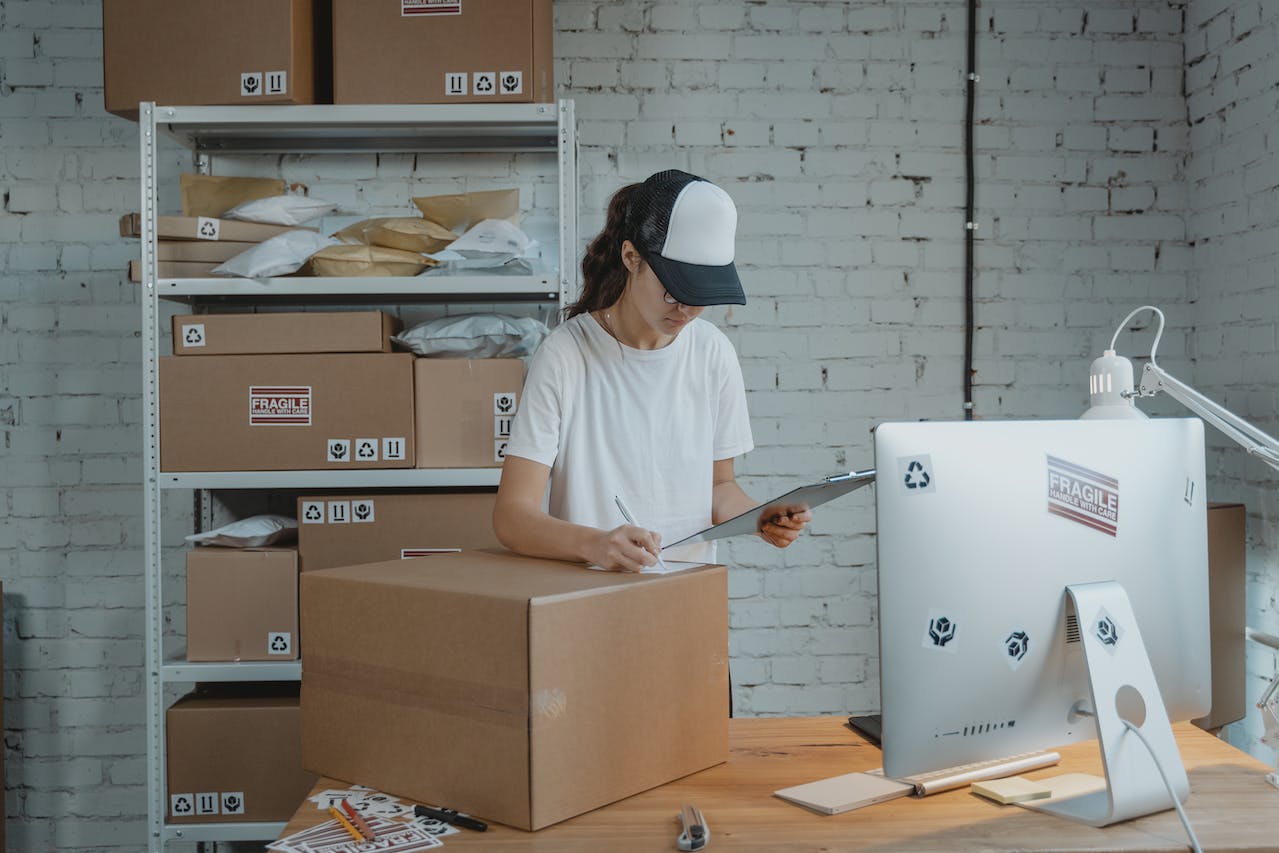
In-house fulfillment, as a logistics strategy, implies that the company or e-commerce internally assumes all operational phases, from storage to shipping of products.
This model provides absolute control over every aspect of the process, allowing direct and personalized supervision.
Within in-house fulfillment there are two approaches that adapt to the specific needs of companies, these are:
- Integrated
For companies that operate in both online and offline environments and want to use the same distribution center for both operations. This results in significant cost savings by leveraging the efficiency of a system that already works offline.
- Exclusive
Used by companies that set up a distribution center exclusively to fulfill online orders. This may be because the company sells exclusively online or prefers to use a dedicated center to optimize only the management of its e-commerce operations.
Despite its advantages, the in-house fulfillment model also poses substantial challenges.
The investment required in infrastructure and specialized personnel can be considerable and this financial outlay can represent a significant burden, especially for small and medium-sized companies.
Scalability is another factor to consider. As the business grows, internal management may have trouble adjusting quickly to those changes. Therefore, the choice of this model must be carefully considered, evaluating both the initial investment and the long-term adaptation capacity.
Fulfillment Outsourcing
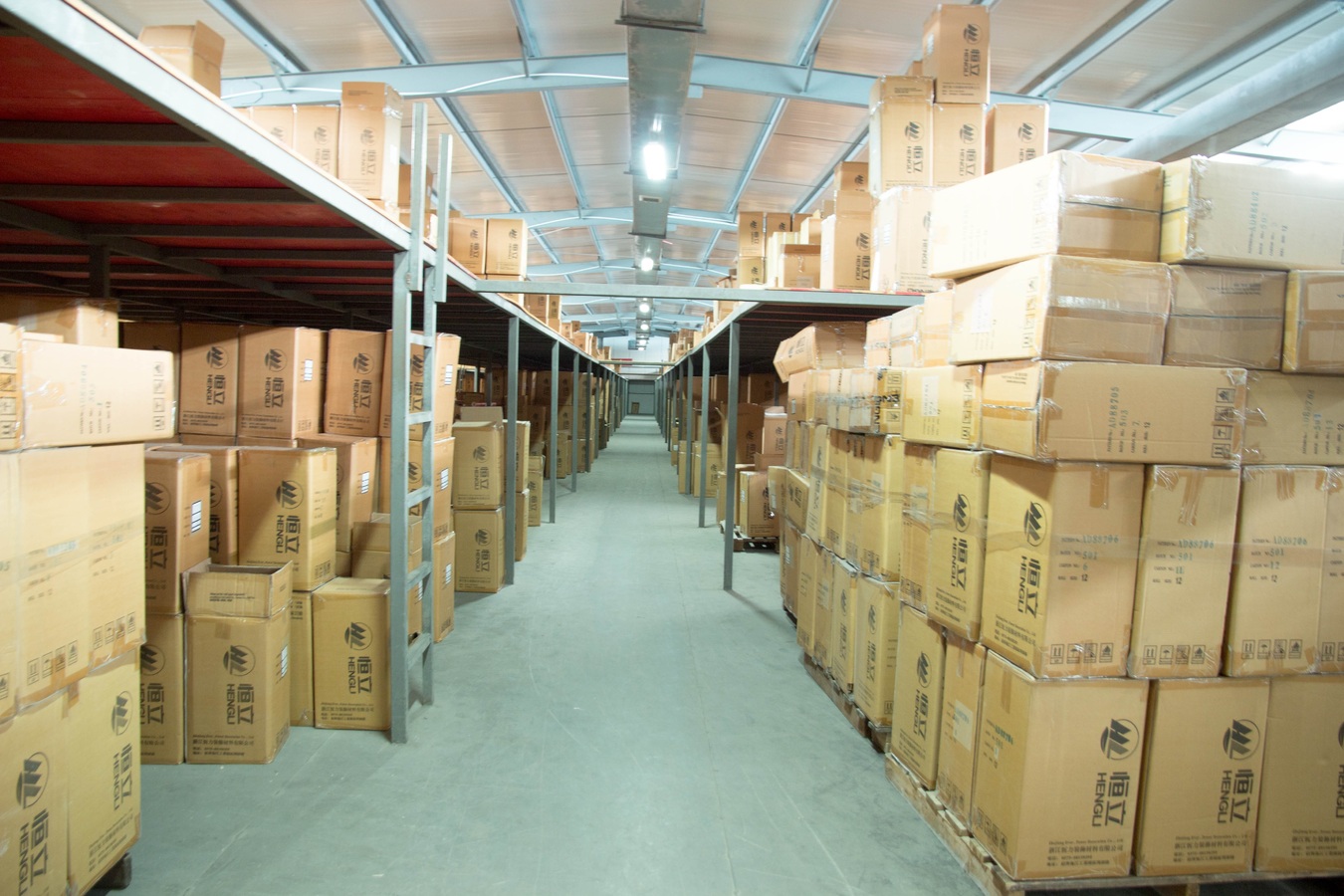
Fulfillment outsourcing is a logistics strategy in which an e-commerce entrusts the operations related to the fulfillment of its orders to a specialized external partner, with the aim of taking advantage of the experience and resources of said partner to optimize the process.
Some of the most common types of fulfillment outsourcing are:
- Third Party-Logistics (3PL)
This type of outsourced logistics service covers a wide range of functions. 3PL providers offer services ranging from warehousing and packaging to product distribution, with capabilities to manage orders, make special preparations, and provide services tailored to specific customer needs.
- Specialized
Some fulfillment companies specialize in specific areas, such as perishables, luxury items, or oversized products. These providers tailor their services to meet the particular needs of certain market niches.
- International
In this type of fulfillment, suppliers located in various regions assume the management of logistics operations, ensuring efficient and satisfactory delivery worldwide.
This allows companies to expand seamlessly across borders, ensuring logistics tailored to the specific complexities and demands of each region.
- Fulfillment on - demand
It allows companies to scale their fulfillment operations as needed, without long-term commitments.
Services, such as warehousing and shipping, are available on demand, offering flexibility and adaptability in dynamic business environments.
Fulfillment Hibrido
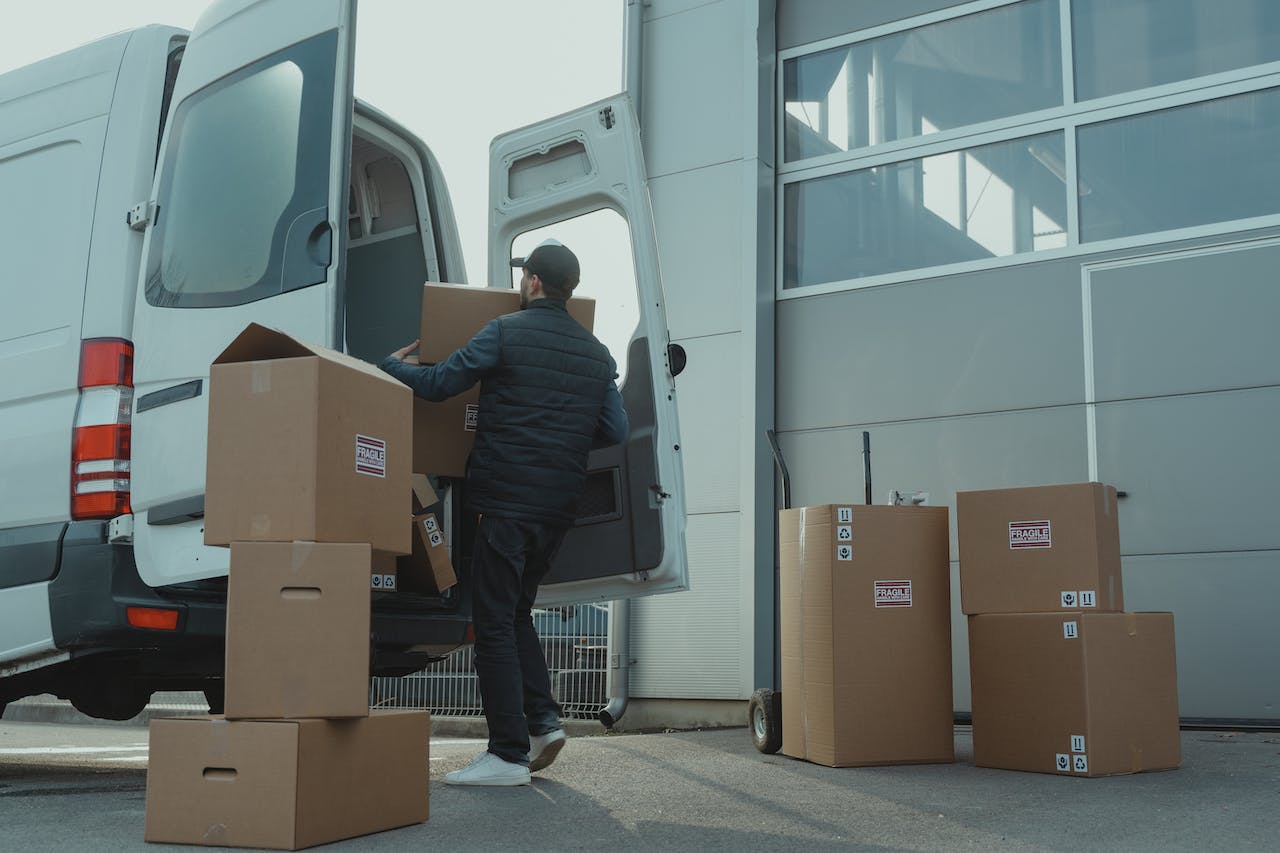
The hybrid fulfillment model combines aspects of in-house fulfillment and outsourcing. This means that companies have the ability to manage certain logistics operations internally while outsourcing others.
The key lies in maintaining a balance between flexibility and control, allowing you to adapt quickly to market demands. This model provides e-commerce businesses with the opportunity to leverage the expertise of specialized partners as needed, taking advantage of the best of both models.
The versatility of hybrid fulfillment translates into the ability to customize the logistics strategy according to the specific needs of the company.
While retaining direct control over critical aspects, such as internal storage of sensitive products, specialized services from external providers are leveraged for areas where expertise and efficiency are essential.
How to choose the right model for an e-commerce?
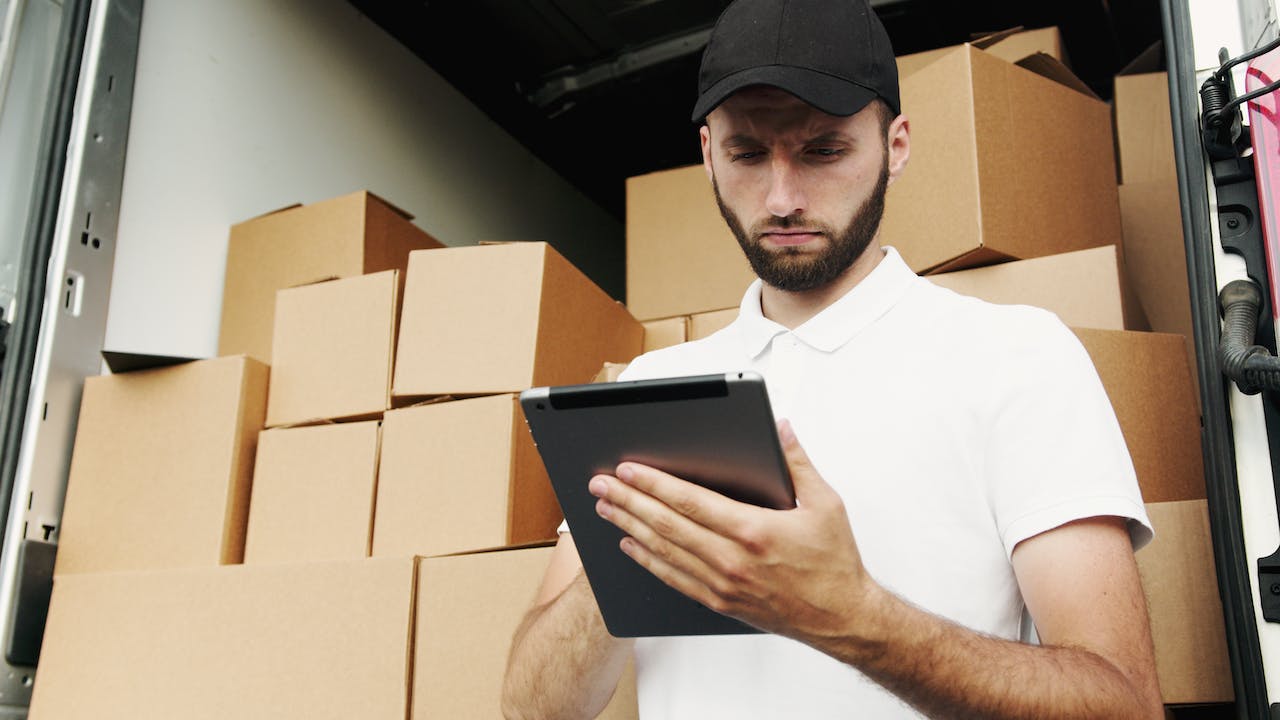
Selecting the appropriate fulfillment model for an e-commerce involves taking various factors into account. Among the most important aspects that must be considered are:
- Business size and scale
Evaluate the current and projected size of the business to determine which option is most appropriate.
- Nature of the products
Analyze the nature of the products sold (perishable, oversized, etc.) to select a fulfillment model that adapts to specific storage and shipping needs.
- Control and flexibility
Evaluate the importance of direct control over logistics operations versus the flexibility offered by outsourcing or hybrid models.
Determine which aspects should be handled internally and which can be outsourced without compromising quality.
- Costs and budget
Calculate the costs associated with each model, including initial investments, service fees and possible hidden costs.
Establish a clear budget and evaluate which model best fits the financial restrictions of e-commerce.
- Customer experience
Consider how each model will impact the customer experience, from delivery speed to packaging quality.
Seek a balance between operational efficiency and customer satisfaction.
- Demand and seasonality
Analyze product demand and seasonal fluctuations to determine which model is most suitable.
Ensure the chosen model can handle peak demand without compromising efficiency.
- International Logistics
For e-commerces with global operations, consider fulfillment models that offer solutions adapted to efficient international shipping.
- Supplier reputation and experience
Investigate the reputation and experience of third-party fulfillment providers.
Ensure your chosen partner has a strong track record of reliable, quality compliance.
- Technology and automation
Explore the technological and automation capabilities of each model to improve operational efficiency.
Ensure that the technological infrastructure is compatible with the specific requirements of e-commerce.
News and trends in fulfillment models for e-commerce in 2026
By January 2026, the question is no longer just which fulfillment model to choose, butwhen and how to change modelsdepending on the phase of e-commerce. The main novelty compared to previous years is that fulfillment has ceased to be a fixed structural decision and has become adynamic lever, adjustable depending on demand, sales channels and the level of business automation.
One of the clearest trends is theloss of efficiency of in-house fulfillment beyond a certain volume. In 2026, with consumers accustomed to deliveries in 24 or 48 hours, unpredictable peaks due to digital campaigns and greater pressure on returns, many internal teams will fall short. Not because of a lack of control, but because keeping infrastructure, personnel and systems updated requires constant investments.
The in-house model still makes sense in highly controlled operations or with special products, but more and more companies use it only in early phases or for specific product lines.
In parallel, thefulfillment outsourcing evoluciona. It is no longer perceived as “giving up logistics”, but asaccess technology, data and immediate scalability. In 2026, the most valued third-party operators are not those that only store and ship, but those that provide real-time visibility, automated rules and the ability to absorb spikes without deteriorating the customer experience. This fits especially well with ecommerce that sells on multiple channels and needs operational consistency without multiplying internal systems.
The big update of the last year is the rise ofhybrid model as standard, not as an exception. More and more brands combine their own inventory for strategic or sensitive products with outsourcing for volume, campaigns or specific regions.
This approach allows you to maintain control where it adds value and outsource where efficiency is greater. In 2026, hybrid fulfillment is consolidated as the most resilient model in the face of changes in demand, seasonality and geographical expansion.
Another relevant change is theimportance of urban and distributed fulfillment. Faced with large centralized warehouses, many companies choose to combine their own small hubs with external operators close to the end consumer.
This reduces delivery times, improves first attempt rates and lowers last mile costs. The chosen model is no longer measured only by unit cost, but by direct impact on conversion and repurchase.
It also highlights the role ofrules based automation. In 2026, choosing a fulfillment model involves evaluating what degree of automation it supports: intelligent shipment assignment, order prioritization, returns management and inventory synchronization. Models that rely too much on manual processes quickly lose competitiveness, even if the initial cost seems lower.
From the financial point of view, there is a clear novelty: companies compare models bytotal operating cost, not for storage or shipping fee. These include errors, incidents, poorly managed returns, internal team time and lost sales due to delays. Under this analysis, many e-commerce companies discover that well-integrated outsourcing is more profitable than an apparently cheaper internal operation.
In this context, fulfillment technology providers like Cubbo fit especially well in hybrid models and advanced outsourcing, because they allow brands to grow without assuming fixed infrastructure and with full control via data.
It is not a question of outsourcing completely, but ofDesign a flexible model that evolves with the business.
In conclusion, in 2026 there is no single “best” fulfillment model, butmodels best aligned with each stage of e-commerce. Companies that periodically review their logistics strategy and adapt it to their growth, channels and technological level are those that achieve sustained efficiency, more satisfied customers and operations prepared for the constant change of digital commerce.
In the search for the ideal fulfillment model for an e-commerce, there is no one-size-fits-all approach. The choice depends on several factors, such as the size of the company, the nature of the products, the predictability of demand, and the willingness to give up or retain control. The key lies in carefully evaluating the needs and goals of the business.
The fulfillment industry continues to evolve, and the ability to adapt to new models and technologies will be essential for continued success in the world of e-commerce.
Are you looking for a fulfillment partner to help you optimize your deliveries more efficiently, faster and at a lower cost?
One way to strengthen these practices is to rely on a logistics ally with national reach. For example, having a servicefulfillment in Mexico CityIt allows you to integrate your inventory into a single system, optimize storage processes and ensure fast deliveries that improve your customers' experience.
InCubbo, we are the main fulfillment center for e-commerce in Mexico.Contact us!