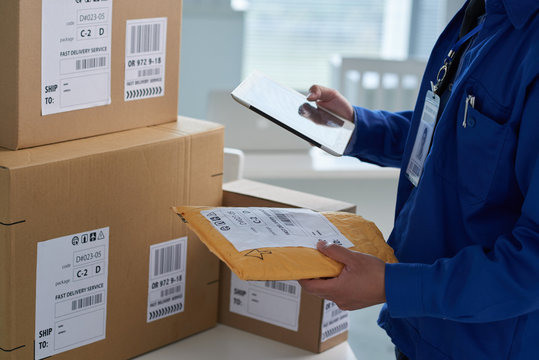
These are the 15 best shipping platforms in Querétaro in 2026:
- Cubbo
- 99minutos
- Skydropx
- Estafeta
- DHL Express Mexico
- Paquetexpress
- UPS Mexico
- Amazon Shipping Mexico
- iMile Fulfillment Mexico
- Envíopack Mexico
- Moova Mexico
- Redpack
- Sendex
- Mail Boxes Etc. Mexico
- Cargamos
Finding a shipping platform in Querétaro that truly understands the needs of an e-commerce is not as simple as it seems.
It is not only about moving products, but about having a system that reduces costs, speeds up delivery times, and guarantees that each customer receives their order with the speed and care they expect.
In such a competitive market, logistics is no longer just an operational part, it is the heart that keeps the relationship with your customers alive.
On-time delivery, efficient inventory management, and flexible operation in demand peaks can make the difference between growing or falling behind.
In addition, choosing the right platform impacts every detail of your business, from the technological integration with your online store or marketplace, to the ability to manage returns without complications, and the possibility of expanding to new markets without friction.
In this article we explain what you should consider when choosing a shipping and fulfillment solution in Querétaro, and how it can become a strategic ally to scale your e-commerce.
These are the 15 best shipping platforms in Querétaro in 2026
1. Cubbo

Optimize your e-commerce logistics
Reduce Costs
Storage from $1 MXN/month
Fast Shipping
Same-day delivery in Mexico City
Full Integration
Amazon, Mercado Libre, Shopify
Scale Without Limits
200+ brands trust Cubbo
Improve your company’s logistics today
Cubbo has become one of the most innovative shipping and fulfillment platforms in Mexico, standing out as a top choice for businesses operating in Querétaro. Its fulfillment model is designed for ecommerce brands that need fast, accurate deliveries with complete real-time visibility at every stage of the process.
With strategically located distribution centers, Cubbo offers same-day delivery in Mexico City and an average of 1.3 days for the rest of the country, including Querétaro. Its smart logistics system automatically assigns the best carrier for each area, ensuring the perfect balance between speed and cost efficiency, supported by a robust shipping platform in CDMX.
The platform integrates seamlessly with Shopify, WooCommerce, TikTok Shop, and other major marketplaces, allowing for real-time inventory synchronization, live order tracking, and automated returns management to optimise transport management.
Cubbo is the ideal choice for Querétaro-based businesses looking to scale without investing in their own logistics infrastructure, cutting costs while improving delivery speed and customer satisfaction—especially for brands running direct sales.
2. 99minutos
99minutos is one of the most recognized shipping platforms in Mexico and a key choice for Querétaro-based businesses that need fast and reliable deliveries. Its service focuses on same-day and next-day shipping across major cities, including the Bajío region.
With an optimized logistics network and a growing electric vehicle fleet, 99minutos helps brands improve customer experience and reduce delivery times significantly. It also integrates with platforms like Shopify, WooCommerce, and Mercado Libre, allowing full automation of orders from a single dashboard.
It’s ideal for ecommerce brands seeking speed, traceability, and cost efficiency while maintaining a sustainable approach.
3. Skydropx
Skydropx has become one of the most popular tech platforms among businesses in Querétaro for automating and managing shipments. The system connects more than 50 national and international carriers, helping users choose the best option based on destination, price, and delivery time.
Its main features include real-time tracking, automated label printing, and smart carrier assignment for each order. It integrates seamlessly with WooCommerce, Shopify, Amazon, and Tiendanube, making it perfect for growing digital businesses.
Skydropx is an excellent option for Querétaro companies looking for automation, control, and end-to-end shipping visibility.
4. Estafeta
With over 40 years of experience, Estafeta is one of Mexico’s most trusted logistics operators and a solid choice for Querétaro businesses needing nationwide coverage and reliable storage, distribution, and last-mile services.
Its strength lies in its extensive operational network and online tracking system, which enables real-time monitoring for every delivery. Estafeta also offers fulfillment and express courier solutions, making it a great fit for both ecommerce and traditional businesses.
Known for its reliability, strong infrastructure, and local presence, Estafeta remains a top choice for brands handling high shipping volumes across central Mexico.
5. DHL Express Mexico
DHL is a global logistics leader and one of the most widely used platforms among Querétaro-based companies requiring national and international shipping with guaranteed delivery times. Its global reach and advanced technology ensure secure, traceable, and punctual shipments.
In Mexico, DHL provides tailored solutions for ecommerce, retail, and direct sales, including warehousing, pickup, and delivery. With real-time tracking and integrations with major online platforms, it allows businesses to manage their entire logistics process seamlessly.
DHL is the go-to option for businesses that demand speed, reliability, and international logistics support in Querétaro.
6. Paquetexpress
Paquetexpress is a leading Mexican logistics company with a strong presence in the Bajío region, known for its nationwide coverage and personalized logistics solutions. For businesses in Querétaro, it offers a reliable network with modern infrastructure and competitive delivery times.
It provides shipping, ecommerce, and fulfillment services, along with online tracking, scheduled pickups, and return management.
Paquetexpress is a great choice for companies seeking efficiency, personalized attention, and operational reliability within Mexico’s growing logistics landscape.
7. UPS Mexico
UPS is one of the world’s most recognized logistics and shipping companies, with a strong presence in Querétaro. It stands out for its reliable delivery times and comprehensive tracking across both domestic and international shipments.
Beyond its global network, UPS offers tailored solutions for small businesses and ecommerce, including digital tools to quote, print labels, and manage returns automatically.
It’s an excellent choice for Querétaro-based businesses that need precision, visibility, and dependable support for local and cross-border deliveries.
8. Amazon Shipping Mexico
Amazon Shipping has expanded its logistics services in Mexico and now operates across the Bajío region, including Querétaro. This service allows online stores and ecommerce brands to use Amazon’s delivery network without selling directly on its marketplace.
The platform offers next-day and two-day deliveries, real-time tracking, and the same operational standards as Amazon Prime. It also integrates seamlessly with platforms like Shopify and WooCommerce, enabling full automation of logistics workflows.
Perfect for brands seeking speed, reliability, and a premium delivery experience throughout Mexico.
9. iMile Fulfillment Mexico
iMile is a logistics operator specialized in last-mile delivery and ecommerce fulfillment, with a growing presence in Querétaro and major Mexican cities. Its tech-driven model enables fast deliveries, real-time tracking, and address validation to prevent delivery errors.
For Querétaro businesses, iMile provides a powerful mix of efficiency and agility, especially in high-demand urban areas. It also supports pickup services, easy returns, and online customer assistance to enhance post-purchase satisfaction.
A smart choice for digital brands aiming to shorten delivery times and ensure a seamless logistics experience.
10. Envíopack Mexico
Envíopack is a logistics tech platform that centralizes shipping management, helping Querétaro businesses automate operations and compare rates from multiple carriers in one place.
It integrates with WooCommerce, Tiendanube, and Shopify, making it easy to manage orders and track shipments automatically. Its smart carrier assignment system ensures the best combination of speed and cost optimization for every delivery.
Envíopack Mexico is ideal for ecommerce brands seeking flexibility, technological integration, and full control over their logistics operations.
11. Moova Mexico
Moova has quickly gained traction in Mexico’s logistics scene thanks to its collaborative delivery model, which leverages local transport capacity to provide faster and more sustainable deliveries.
In Querétaro, Moova’s platform enables same-day and next-day deliveries, adapting easily to demand peaks. It also offers real-time tracking and route optimization technology for maximum efficiency.
Moova Mexico is an innovative alternative for companies seeking cost-effective, flexible, and eco-friendly logistics solutions without sacrificing service quality.
12. Redpack
Redpack is one of Mexico’s most established courier companies, with extensive national coverage and a strong presence in Querétaro. It offers comprehensive parcel, courier, and logistics solutions tailored for both ecommerce and traditional businesses.
Its platform enables real-time shipment tracking, scheduled pickups, and efficient return management. Redpack also integrates with major online stores and marketplaces to simplify the entire shipping process.
Redpack is a reliable choice for brands looking for fast deliveries, wide coverage, and personalized customer support throughout Mexico.
13. Sendex
Sendex is a Mexican logistics company focused on local service and operational flexibility, with active operations across Querétaro and the Bajío region. It caters to both small businesses and large enterprises, offering customized shipping and distribution solutions.
Sendex provides next-day and same-day deliveries in urban areas, along with online tracking and direct business pickups. Its customer-focused support ensures smooth communication and quick issue resolution.
Sendex is ideal for businesses seeking speed, proximity, and logistics service tailored to the Mexican market.
14. Mail Boxes Etc. Mexico
Mail Boxes Etc. (MBE) combines logistics, storage, and fulfillment services with an international delivery network, making it a strong option for Querétaro-based businesses looking to scale operations efficiently.
In addition to domestic and international shipping, it offers custom packaging, document management, and ecommerce support, all from one centralized platform.
MBE Mexico stands out for its flexibility and global reach, ideal for businesses aiming to professionalize their logistics without heavy infrastructure investment.
15. Cargamos
Cargamos is a Mexican startup transforming urban logistics through a network of micro-fulfillment centers and same-day delivery across multiple cities, including Querétaro.
Its technology enables real-time route optimization and reduces delivery times by up to 60%, connecting brands, couriers, and customers in one platform. It also integrates seamlessly with online stores and order management systems.
Cargamos is an excellent choice for businesses seeking a modern, fast, and sustainable delivery solution to improve customer experience across the Bajío region and beyond.
What is a shipping platform and how does it work in Querétaro
A shipping platform is much more than a system to print labels or coordinate deliveries.
It is a comprehensive fulfillment solution that connects your online store with the entire logistics process, from the reception and storage of inventory, to packaging, courier assignment, and final delivery to the customer.
In strategic cities like Querétaro, these platforms play a key role for e-commerce businesses that want to grow without investing in their own warehouses or depending on multiple providers.
Everything happens in one place, with full visibility of each order.
Definition and main characteristics
A shipping platform centralizes in a single interface the control of your inventory, orders, and deliveries.
It allows you to automate processes that otherwise would be slow and error-prone, such as product picking or return management.
The main characteristics are: direct connection with marketplaces and online stores, centralized order management, and the ability to automatically assign the best courier according to cost, time, and delivery location.
Types of shipping platforms
There are different models:
Multi-courier: integrate different couriers so you can compare rates and delivery times.
Integrated: connect automatically with your e-commerce and update inventory, orders, and shipping status in real time.
Customized: designed for brands with high order volume, where technology adapts to specific business rules, special packaging, or integration with proprietary systems.
Connection with your online store or marketplace
One of the biggest advantages is the API integration with platforms like Shopify, Mercado Libre, Amazon, WooCommerce, or VTEX. This means that every order that enters your store is immediately reflected in the platform, without manual processes or delays.
At the same time, inventory is updated in real time and the customer automatically receives their tracking number, which creates trust and transparency throughout the process.
4 Advantages of using a shipping platform in Querétaro
1. Reduction of delivery times
The strategic location of Querétaro allows offering fast deliveries in the Bajío and throughout Mexico, bringing products closer to your final customers and improving overall delivery speed.
2. Optimization of logistics costs
By centralizing operations and automating courier assignment, there is a reduction in shipping and storage expenses, without compromising service quality.
3. Real-time tracking
Both the seller and the customer can monitor every movement of the order. This increases trust in the brand and reduces the operational load in customer service, often reflected in a higher first attempt delivery rate.
4. Flexibility to choose the best courier
Not all areas are the same.
That is why having a system that chooses among different couriers the most efficient option guarantees greater precision in deliveries and a better experience for the buyer.
Essential functionalities in a good shipping platform
When an e-commerce wants to grow sustainably, it needs more than just a courier service.
A robust shipping platform must integrate functions that streamline daily operations, reduce errors, and improve the customer experience from the first click to final delivery.
Integration with Shopify, WooCommerce, Mercado Libre and more
The first characteristic that cannot be missing is direct integration with the main sales channels.
From Shopify and WooCommerce to marketplaces like Mercado Libre or Amazon, everything must be connected in a single system.
This ensures that each order is reflected automatically, that inventory updates in real time, and that you do not depend on manual processes that generate delays or mistakes.
Automatic generation of guides and labels
Another essential functionality is the automatic creation of shipping guides and labels. This eliminates repetitive tasks and allows products to leave the warehouse faster.
In addition, it ensures uniformity in information, which decreases errors and reduces problems with couriers.
The result is a faster and more reliable operation, key for businesses with high order volume.
Control panel for monitoring orders and deliveries
Good fulfillment requires total visibility. That is why the centralized control panel is essential. From there you can monitor orders in real time, review delivery times, and make quick decisions in case of incidents.
Having this information not only gives you control, it also allows you to anticipate problems and keep your customers informed, which generates trust and loyalty toward your brand, while tracking key KPIs in logistics.
Efficient management of exchanges and returns
Returns are a natural part of any online business. An efficient shipping platform offers clear and simple processes so that the customer can request exchanges or returns directly from the online store, and so that the product can quickly re-enter inventory.
This avoids unnecessary losses and keeps customer satisfaction at high levels, even in situations that could be complicated.
Every business is different and needs solutions that adapt to its reality. Talk to a specialist before making a decision and make sure your shipping platform has these essential functionalities.
If you want to know how to optimize your logistics operation, we can help you design the most effective strategy for your e-commerce.
4 Factors to consider before choosing a platform in Querétaro
Choosing a shipping platform in Querétaro is a strategic decision for any e-commerce with growth potential.
It is not enough to compare prices or choose the first available option, you need to evaluate several factors that will directly impact the experience of your customers and the profitability of your operation.
1. Costs and subscription plans
The first point to review is the costs and subscription plans. A good platform must offer clear schemes adapted to businesses with high order volume, without hidden charges or processes that make the operation more expensive.
The important thing is not only to pay less, but that the service allows you to optimize your logistics budget and make it scalable as your online store grows.
2. Scope and coverage of associated couriers
Another critical aspect is the coverage of the integrated couriers. Querétaro is a strategic point in the country, but your e-commerce probably needs to reach all of Mexico.
A reliable platform must guarantee fast deliveries in CDMX, Bajío, and the rest of the country, with flexibility to choose the most efficient courier according to the customer’s location.
3. Level of support and customer service
Fulfillment is not limited to moving boxes, it also means responding quickly to incidents.
That is why it is key to assess the level of support and customer service the platform offers.
A high-volume operation needs specialists who assist at every stage and resolve doubts quickly, reducing risks and maintaining the final consumer’s trust.
4. Reviews and success stories of major brands
Finally, check the reviews of current clients and the success stories of large brands. This allows you to confirm the reliability, experience, and specialization of the platform in the Latin American market.
Brands with high volume that already trust the service are the best proof that the solution works in real high-demand scenarios.
In addition, if your company operates as a registered merchant, it is important to ensure that the platform you choose complies with the legal and fiscal requirements that apply to your business model.
How to prepare your e-commerce before choosing a shipping platform in Querétaro
Selecting a shipping platform in Querétaro is a strategic step, but before getting there it is essential that your business is prepared.
Efficient logistics is not built only with technology, it also depends on internal organization and clarity in your sales processes.
Analyze your order volume and growth projections
The first step is to be clear about how many orders you currently process and what your sales projection is for the coming months.
This will allow you to size correctly the type of service you need and avoid falling short in peak demand seasons.
Knowing your real volume gives you a solid base to negotiate better conditions and choose a platform that can scale at the pace of your business.
Define your shipping and return policies
Before delegating logistics operations, it is important that you have well-defined shipping, exchange, and return policies.
This includes delivery times, costs you will assume as a brand, and the processes to follow if a customer is not satisfied.
Having clear rules avoids confusion and makes it easier for the shipping platform to execute your guidelines automatically and reliably.
Organize and classify your inventory
A common mistake in e-commerce is sending inventory to a fulfillment center without a proper classification system.
The ideal is to organize your stock with unique codes, batches, and clear descriptions, so that each product can be identified and prepared without margin for error.
This speeds up reception in the shipping platform and guarantees real-time inventory control, which directly impacts customer satisfaction.
Consider the customer experience as a priority
Fulfillment is not only an operational issue, it is an essential part of the buyer’s experience. From packaging to delivery speed, every detail counts toward customer loyalty.
A shipping platform in Querétaro must be your ally in this process, ensuring that your brand delivers what it promises in every purchase.
Evaluate the scalability of your operation
Beyond what you need today, think about how you want to grow.
If your goal is to expand to other states in Mexico or even international markets, it is crucial to work with a platform that has infrastructure and technology to support that growth.
In cross-border operations, relying on an importer of record is often essential to comply with customs and tax regulations.
Another point to consider is the commercial registry, since having your company duly registered facilitates contractual agreements with couriers and logistics partners.
Querétaro’s strategic location in central Mexico has turned it into a powerful hub for e-commerce distribution. Brands operating from this region can take advantage of technology-based logistics systems that connect directly with marketplaces and sales channels.
Discover the essential features that make these systems successful in our complete guide to the shipping platform in Mexico.
Cubbo: your logistics partner beyond Querétaro
Streamline your e-commerce logistics
Reduce costs
Storage from $1 MXN/month
Fast shipping
Same-day in Mexico City
Full integration
Amazon, Mercado Libre, Shopify
Scale without limits
200+ brands trust Cubbo
Improve your company’s logistics today
When an e-commerce grows, it needs more than a shipping provider. It requires a logistics partner specialized in fulfillment that guarantees speed, accuracy, and scalability.
That is exactly what Cubbo does in the Latin American market.
Strategic centers in Mexico City
In addition to covering Querétaro, Cubbo has fulfillment centers located in strategic areas of Mexico City.
This location allows same-day deliveries in the capital and average delivery times of 1.3 days in the rest of the country, something fundamental to compete in a market where speed is decisive.
Operations 365 days a year with fast deliveries
A factor that distinguishes Cubbo is its continuous operation 365 days a year, including weekends and holidays.
This ensures that your business never stops and that your customers receive their orders faster and with total reliability, even in peak demand periods.
Proprietary technology for integrations and traceability
Cubbo operates with its own technology platform, designed to integrate via API with Shopify, Mercado Libre, Amazon, WooCommerce, and many other channels.
This allows synchronization of orders, inventory, and tracking in real time.
The result is complete traceability that provides transparency both to the brand and the final customer, including specialized fullfilment in Mexico for Fintech.
Specialized support for high-volume e-commerce
High-level fulfillment requires constant support. Cubbo offers a specialized team in e-commerce with large order volumes, that understands the challenges of each business and proposes solutions adapted to its reality.
From personalized packaging to advanced operating rules, every detail is designed to guarantee efficiency and scalability, typically coordinated by a dedicated key account manager.
If your fulfillment strategy in Querétaro includes reaching customers quickly in Mexico’s largest consumption zone, it helps to understand how a top-tier 3PL operates in the capital—especially around same-day coverage, dense last-mile routing, and high-volume peak management.
This guide to 3PL CDMX breaks down the key criteria to evaluate (warehouse positioning, integrations with Shopify/marketplaces, carrier mix, and return workflows) so you can build a distribution setup that stays fast and predictable as your ecommerce scales across the Bajío and beyond.
Frequently Asked Questions (FAQs)
What is a shipping platform in Querétaro and how does it help my e-commerce?
A shipping platform in Querétaro is a technological and operational solution that connects your online store with complete logistics: inventory, packaging, label generation, courier assignment, and deliveries.
Its main advantage is that it allows you to reduce delivery times and costs, while offering a more reliable experience to your customers.
Why choose a shipping platform in Querétaro instead of managing directly with couriers?
When you work with only one courier, you limit your options. A specialized fulfillment platform intelligently chooses the best shipping option based on destination, cost, and speed.
In addition, it centralizes the entire operation in a single control panel, which means greater efficiency and fewer errors in each order.
What benefits does a shipping platform in Querétaro offer compared to a traditional warehouse?
Unlike a conventional warehouse, a modern shipping platform does not only store your products, it also manages them with real-time technology.
This includes integration with Shopify, Mercado Libre, or Amazon, ensuring that each order is processed immediately and that the customer receives their tracking number without delays.
Can I manage returns and exchanges from a shipping platform in Querétaro?
Yes. A key functionality is the efficient management of exchanges and returns. The customer can request the process directly from your online store and the product can be reincorporated into inventory the same day.
This keeps customer satisfaction high and reduces losses for your business.
How to know if a shipping platform in Querétaro is right for my business?
It depends on your volume and growth goals. A good platform must offer 365-day operation, robust technological integrations, and proven experience in fulfillment for e-commerce in Latin America.
Every business is different, that is why the best option is to speak with a specialist before making a decision.