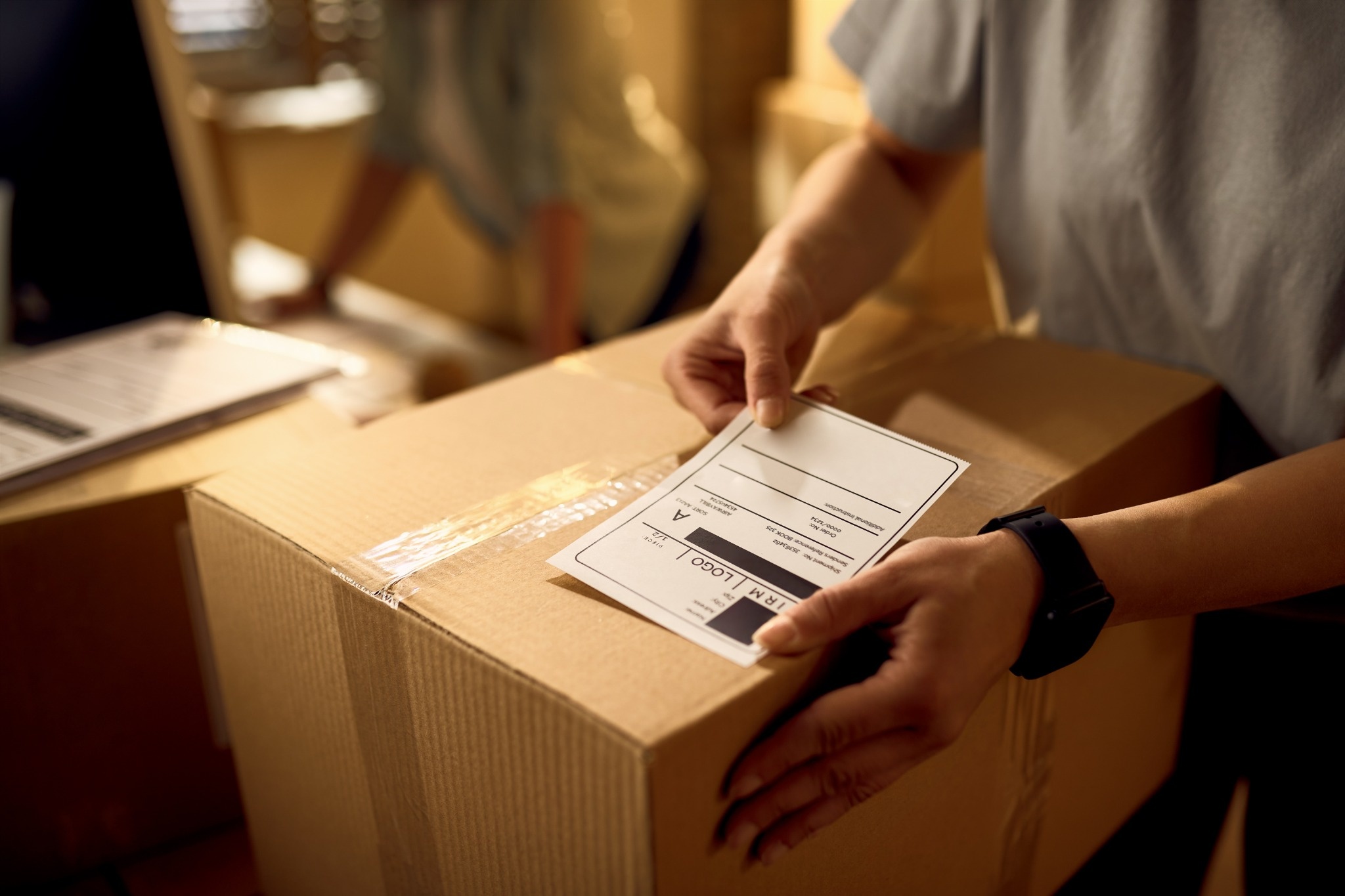
Here are the 10 best alternatives to Buho Logistics for fulfillment and ecommerce logistics in Mexico:
- Cubbo
- Estafeta Fulfillment
- DHL Supply Chain
- 99minutos
- Onest Logistics
- Impulse Supply Chain
- Envíos Pronto
- FedEx Supply Chain
- WH Logistics
- Logisfashion
Buho Logistics has positioned itself as a 3PL fulfillment provider in Mexico with a strong emphasis on same-day operations, pick and pack efficiency, and an error reimbursement guarantee.
Their location in the Monterrey area makes them a relevant option for brands whose demand is concentrated in the northern part of the country.
However, many growing ecommerce brands are actively looking for alternatives that deliver robust national coverage, more advanced technology, and a fulfillment experience that scales without friction beyond a single geographic region.
The need to guarantee fast deliveries across the entire Mexican territory, maintain full control over every order, offer packaging customization, and count on real-time operational visibility has driven ambitious brands to explore solutions that go far beyond what a regionally focused operator can provide.
Choosing the right alternative to Buho Logistics depends on factors like geographic dispersion of customers, order volume, cash-on-delivery requirements, operational complexity, and the experience goals the brand has for its buyers.
In this article, we break down the 10 best alternatives to Buho Logistics in Mexico, analyze when it makes sense to switch, what variables should drive the decision, and how technology-driven fulfillment can completely transform your logistics operation.
The 10 Best Alternatives to Buho Logistics in Mexico
1. Cubbo
Cubbo represents a significant leap beyond regionally focused fulfillment models: it is a technology-driven fulfillment platform with true national coverage that integrates warehousing, picking, packing, shipping, and returns management from strategically located distribution centers across Mexico's densest urban zones.
While Buho Logistics operates with emphasis on a specific geographic area and relies on reimbursement guarantees to cover operational errors, Cubbo eliminates errors at the source through its automatic verification and order preparation system, achieving a precision rate of 99.5% on every single order.
Technology-driven fulfillment with real national coverage
When an order comes in from any sales channel — Shopify, Mercado Libre, Amazon, WooCommerce, Instagram Shopping — Cubbo's system activates the entire chain automatically and without any manual intervention:
- Locates the product at the distribution center closest to the delivery destination
- Assigns the picking team based on efficiency and warehouse location
- Prepares the package according to the brand's custom packaging specifications
- Selects the optimal carrier based on destination, urgency, real weight, and volumetric weight
- Updates tracking in real time for the end customer
- Manages returns with structured processes that reintegrate the product into available inventory
This allows brands operating through any marketplace or direct channel to synchronize their orders instantly and maintain a single, unified logistics workflow.
With 365-day operations, centers in key urban zones, and guaranteed same-day delivery in Mexico City, Cubbo achieves a national average of 1.3 days delivery — a figure that regionally focused models simply cannot match at scale.
For a closer look at how logistics companies in México City support fast fulfillment models, it’s worth exploring the ecosystem that powers same-day operations in the capital.
Key advantages of Cubbo as an alternative to Buho Logistics:
- National coverage from strategic centers: no dependence on a single geographic location
- 99.5% accuracy without needing reimbursement guarantees: errors are prevented, not compensated after the fact
- Ultra-fast deliveries: same-day in Mexico City and a verified 1.3-day national average
- Total personalization: branded packaging, inserts, personalized messages per brand
- Predictable costs: all-inclusive model with no hidden surcharges or volumetric weight surprises
- Dedicated human support: a personal account manager with deep knowledge of the operation
- Massive scalability: infrastructure prepared for thousands and tens of thousands of monthly orders
If your brand needs a solution that elevates logistics with real coverage across Mexico, talk to a Cubbo specialist today.
2. Estafeta Fulfillment
Estafeta is one of Mexico's most established national logistics operators. Their fulfillment offering is built on a wide distribution network that connects warehousing, order preparation, and transportation within a single operational ecosystem.
It's an option worth considering for brands that value geographic consistency and need a provider with decades of logistics experience behind them.
Strengths: robust national network, 24/7 operation, native integration between preparation and transport, proven experience handling campaign peaks.
Considerations: more corporate structure with less flexibility for brands requiring aggressive customization, onboarding process that can be lengthy, costs that vary based on volume and services contracted.
3. DHL Supply Chain
DHL Supply Chain positions itself as an alternative focused on world-class operational standards and omnichannel scalability. They offer warehousing, fulfillment, returns management, and value-added services within a certified and global operational structure.
Strengths: international standards applied locally in Mexico, regional and international scalability, ability to design custom operations for complex requirements.
Considerations: oriented more toward enterprise operations with significant volumes, setup costs and minimums that may not adapt to mid-size brands, longer implementation timelines.
4. 99minutos
99minutos combines fulfillment, shipping, and cash-on-delivery (COD) in an integrated model that extends well beyond classic 3PL services. Their Fulfill99 ecosystem covers everything from reception and warehousing to last-mile delivery and reverse logistics.
Strengths: native fulfillment + COD integration, fast deliveries in major cities, proprietary logistics network with last-mile control.
Considerations: coverage concentrated in dense urban zones, variable cost structure depending on services activated, packaging standards should be validated before starting operations.
5. Onest Logistics
Onest Logistics stands out for its investment in technology applied to logistics operations. They use advanced analytics and machine learning to optimize order preparation and traceability, making them an interesting alternative for brands that prioritize data, transparency, and intelligent operational control.
Strengths: technology with ML and analytics oriented toward operations, granular traceability, growing operational capacity.
Considerations: less established than larger operators, center network needs validation based on main destinations, requires technical integration from the start.
6. Impulse Supply Chain
Impulse Supply Chain offers 3PL warehousing capabilities with ecommerce fulfillment components and IMMEX customs compliance. It's a relevant alternative for brands that combine importing with national distribution. This model also connects with emerging fulfillment in Mexico for fintech companies, where regulatory precision and logistics agility are equally critical.
Strengths: experience in customs compliance and IMMEX, warehousing-to-distribution integration, operations in Monterrey's industrial zone.
Considerations: model more oriented toward operations with an import component, may not adapt to pure DTC brands that don't import, national distribution coverage needs validation.
7. Envíos Pronto
Envíos Pronto is a regional 3PL operator offering logistics services in northern Mexico with a more hands-on and flexible operational model.
Strengths: operational proximity, more direct communication channels, adaptability to region-specific needs.
Considerations: more limited geographic coverage, national scalability needs verification, less redundancy if the brand grows beyond their primary zones.
8. FedEx Supply Chain
FedEx Supply Chain brings together warehousing, order preparation, shipping, and WMS under a single provider. It's useful for brands looking to simplify their logistics operation by consolidating fulfillment and transportation in one place.
Strengths: native fulfillment-to-transport integration, global network, consolidated WMS with advanced reporting.
Considerations: model more geared toward large enterprises, may not be the most competitive for high-frequency Mexican ecommerce, costs vary by volume and zone.
9. WH Logistics
WH Logistics presents a distributed fulfillment center network across key Mexican cities, with a model centered on geographic inventory distribution to reduce delivery times and increase coverage.
Strengths: centers in major cities, ecommerce focus with geographic stock distribution, model designed for scalability.
Considerations: operational capacity per center needs validation, tech integration must be verified from the start, cost structure varies by location and volume.
10. Logisfashion
Logisfashion is a 3PL specialized in fashion and lifestyle categories with an explicit ecommerce fulfillment offering. Their services are designed around product care and presentation standards.
Strengths: deep specialization in fashion and delicate product categories, quality standards for sensitive merchandise, experience in returns and reconditioning.
Considerations: more niche than a generalist 3PL, center network may be more limited, adaptability to very different product categories needs evaluation.
What Is a 3PL and How Does Ecommerce Fulfillment Work?
Core Services a Complete 3PL Must Offer
A 3PL (Third-Party Logistics) provider is an external company that takes over the logistics operations of another business.
In the e-commerce context, this means the 3PL handles inventory reception, organized warehousing, precise picking, professional packing, shipping coordination, and structured returns management.
A complete 3PL must have warehouse management systems (WMS), native integrations with sales platforms, and the ability to adapt operations to each brand's specific requirements.
Regional Fulfillment vs. National Fulfillment: The Real Difference
A regional 3PL operates from one location or a specific geographic zone. This can work well for brands whose demand is concentrated in that area, but it creates a clear bottleneck once customers expand to other regions: longer delivery times, higher shipping costs, and less control over the end-customer experience outside the base zone.
A 3PL with national coverage distributes fulfillment centers across multiple urban zones, enabling shorter distances, faster deliveries, and consistent service quality regardless of where the customer is located. This difference becomes a defining factor as brands scale.
Why Geographic Coverage and Speed Directly Impact Sales
In today's Mexican ecommerce market, consumer expectations around delivery speed continue to rise. Brands that cannot fulfill fast delivery promises in regions beyond their operational center lose competitiveness directly against alternatives that can.
Additionally, volumetric weight — the way carriers calculate shipping rates based on package dimensions — can inflate costs significantly if the operator doesn't manage packaging sizes properly. A brand that grows without controlling these factors ends up paying far more than necessary per shipment.
4 Current Challenges Brands Face When Using 3PL Services in Mexico
1. Limited Geographic Coverage and Extended Zone Shipping Costs
One of the most common issues when working with a regional 3PL is that orders destined for areas outside the main coverage zone become a constant hidden cost. Extended zone surcharges, delivery times that double, and loss of control over the end-customer experience are direct consequences of operating from a single location.
As the brand grows and customers spread geographically, the need for an operator with centers in multiple urban zones becomes urgent and unavoidable.
2. Volumetric Weight and Hidden Costs That Inflate the Real Cost Per Order
Volumetric weight is one of the most underestimated costs in fulfillment. Carriers charge based on whichever is higher — real weight or weight calculated from the package dimensions (length × width × height divided by a standard divisor).
If the 3PL doesn't control right-sizing — meaning they don't select the optimal box size for each product — the cost per shipment can multiply without the product itself changing at all. This problem gets worse with returns: when a customer returns an item in an oversized package, the return shipping cost goes up too.
A brand that doesn't regularly audit these costs could be paying up to double the necessary amount per shipment without realizing it.
3. Cash-on-Delivery (COD) and Its Impact on Conversion
Cash-on-delivery (COD) is not an optional service in Mexican ecommerce — it's a real conversion lever for certain consumer segments. Brands that don't offer this option lose sales especially in areas and profiles where digital payment isn't the dominant method.
However, COD also brings operational risks: door rejections, redelivery attempts, return costs, and the need for efficient financial reconciliation.
If the 3PL doesn't manage the complete flow — collection, deposit, and reporting — the operation becomes complicated and margins get squeezed. In these cases, clarity on the responsibilities of each registered merchant within the transaction is essential to maintain compliance and financial accuracy.
4. Demand Spikes During High-Season Commercial Campaigns
El Buen Fin, Hot Sale, Día de Muertos, and Christmas generate massive increases in order volume that test any logistics operator. Brands that don't have a 3PL prepared to absorb these spikes without service quality degrading end up facing delays, errors, and customer experiences that damage brand reputation at the most profitable moments of the year.
A 3PL with a single operational center has far less flexibility to redistribute workload during peaks than one with infrastructure across multiple locations.
How to Choose the Best Alternative to Buho Logistics
Evaluate National vs. Regional Coverage
The first question when looking for an alternative is straightforward: does the brand have customers only in one region or across the country? If demand already extends beyond a single area, a regional operator isn't sustainable long-term.
Analyze the real geographic distribution of your orders and compare it against each alternative's coverage before making any decision.
This evaluation also determines whether your operation would benefit from specialized direct sales fulfillment in Mexico, designed for brands that sell directly to consumers through online channels.
Analyze the True Cost Per Delivered Order
Comparing the warehousing rate or the picking fee in isolation isn't enough. The real cost includes reception, storage, picking, packing, packaging materials, shipping (with real volumetric weight), returns handling, and any applicable surcharges.
Ask each alternative for a simulation using your actual operational data: monthly volume, SKUs, weights, dimensions, and main destinations. Only then can you compare like for like.
Verify Capacity to Handle Operational Peaks
Ask each operator for real performance data from previous peak seasons, not just promises.
Check preparation times, order accuracy, and service levels during Buen Fin or Hot Sale. A strong 3PL handles these volumes as a normal part of operations, with infrastructure and staff prepared well in advance.
Prioritize Traceability and Real-Time Visibility
The brand must have complete visibility into every order at every moment: from when the product leaves the shelf to when it arrives at the customer's door.
Without real-time traceability, it's impossible to give precise answers, anticipate problems, and maintain the level of control that modern customer experience demands.
A Strategic Partner for Growth: The Value of Cubbo as an Alternative
National Coverage From Strategic Centers Located Where Customers Are
Cubbo operates from distribution centers located in Mexico's densest urban zones, enabling shorter distances between product and customer regardless of destination.
This geographic distribution is the foundation of same-day delivery in Mexico City and the 1.3-day national average: it's not a single center that ships fast to nearby areas — it's a network that delivers fast across the entire country.
Packaging Personalization and Full Control Over the Unboxing Experience
Unlike operators that offer standard generic packaging, Cubbo lets every brand design the package-opening experience exactly as they want.
Branded packaging, promotional inserts, personalized thank-you cards, campaign-specific messaging: all of this is part of the automatic process, not an add-on service requested separately.
This personalization isn't a luxury — it's a direct loyalty-building strategy that increases repeat purchase rates and generates positive word of mouth that lowers customer acquisition cost over time.
Technology That Eliminates Errors and Guarantees Precision Without Reimbursements
Buho Logistics offers an error reimbursement guarantee, which is a step in the right direction. But the best guarantee is having no errors in the first place.
Cubbo's system automatically verifies every order before it leaves the center, combining barcode scanning, system confirmation, and digital review of every order line.
The result is 99.5% accuracy in order preparation, which means fewer error-driven returns, less reshipping cost, and a customer experience that doesn't get interrupted by operational mistakes.
All-Inclusive Costs With No Surprises and No Hidden Volumetric Weight Charges
Cubbo offers a transparent pricing model where the fee covers warehousing, picking, packing, shipping, and returns in a single predictable price.
No surprise surcharges for extended zones, no end-of-month adjustments for volumetric weight. Before starting, every client receives a precise simulation based on their real operational data to project margins accurately.
Dedicated Account Manager Who Optimizes the Operation Continuously
Every account at Cubbo has a dedicated account manager who doesn't just resolve problems when they arise.
They know the business, the products, and the demand patterns in depth, and proactively identify improvement opportunities, optimize costs, and adjust processes over time. Available by phone, WhatsApp, email, and in person.
Why Cubbo Is the Best Alternative to Buho Logistics
From Regional Model to National Scale Without Friction
Buho Logistics operates with emphasis on a specific geographic area, which works as long as the brand doesn't grow beyond that region.
Cubbo offers national coverage from day one, with centers distributed across the most important zones in the country. There's no need to wait until the brand reaches a minimum size to access the same infrastructure and the same level of service.
Guaranteed Speed Across the Entire Country, Not Just One Zone
Same-day in Mexico City and a 1.3-day national average don't depend on the customer being close to the operational center.
Cubbo's distributed infrastructure ensures that speed is consistent regardless of destination — something that's simply not possible with a single-center model.
Precision and Operational Control That Translates Into Fewer Errors and Lower Costs
The reimbursement guarantee Buho offers is useful, but every error has a cost beyond the reimbursement: resolution time, an unsatisfied customer, a negative review, reshipping costs.
Cubbo doesn't need that safety net because its system prevents errors before they happen, with automatic verification at every stage of order preparation.
Scalability Prepared for Any Season
Cubbo's infrastructure is designed to absorb massive peaks without any degradation in operational quality.
Buen Fin, Hot Sale, or any brand-specific campaign are handled as normal parts of the operation, not as exceptional situations that require extraordinary measures. This is especially relevant for brands that grow year over year.
Customer Experience That Builds Brand and Accelerates Repeat Purchases
Personalized packaging, transparent tracking, fast deliveries, and frictionless returns: every order that leaves Cubbo is an opportunity to reinforce brand identity.
This consistent experience builds loyalty that is very difficult to replicate with an operator that offers generic packaging and limited geographic coverage.
Frequently Asked Questions (FAQs)
How does Buho Logistics differ from a national 3PL like Cubbo?
Buho Logistics operates with a focus on a specific geographic location and stands out for its error reimbursement guarantee.
Cubbo offers national coverage from distributed centers, eliminates errors at the source through automatic verification technology, and provides packaging personalization that Buho doesn't cover.
The key difference is between a regional model and a national model with integrated technology.
Why does volumetric weight matter so much when choosing a 3PL?
Volumetric weight can double the cost of a shipment if the 3PL doesn't select the optimal box size for each product.
Carriers charge based on whichever is higher — real weight or weight calculated from package dimensions.
A 3PL that doesn't control right-sizing could be costing you significantly more than necessary without you noticing until you audit the invoice.
When does it make sense to offer cash-on-delivery (COD)?
COD improves conversion for certain consumer segments, especially in areas where digital payment isn't the predominant method.
However, it also brings risks: door rejections, redelivery attempts, and additional costs.
The key is to validate in which zones and segments it actually converts before activating it across the entire operation.
How do you evaluate whether a 3PL can handle demand peaks without impact?
Ask for real performance data from previous peak seasons, not just marketing promises. Verify preparation times, order accuracy, and service levels during past high-volume events.
A strong 3PL handles these volumes as a normal part of their operations, with infrastructure and staffing planned well in advance.
Why is real-time traceability so critical for ecommerce?
Traceability gives the brand exact visibility into where every order is at every moment. This reduces unresolved incidents, improves customer communication, and enables fast decision-making when delivery issues arise.
Without traceability, the brand becomes entirely dependent on the provider for answers.
When does it make sense to switch from a regional 3PL to a national one?
The key moment is when orders extend significantly beyond the zone where the current 3PL operates.
If extended zone costs are rising, delivery times outside the region are consistently longer, and customer experience varies by location, it's time to evaluate alternatives with national coverage.
What should a cost simulation include when comparing 3PLs?
A real simulation must account for: reception, warehousing, picking, packing, packaging materials, shipping with real volumetric weight, returns handling, and any surcharges for zones or additional services.
Without these inputs it's impossible to compare the true cost per delivered order and make an informed decision.